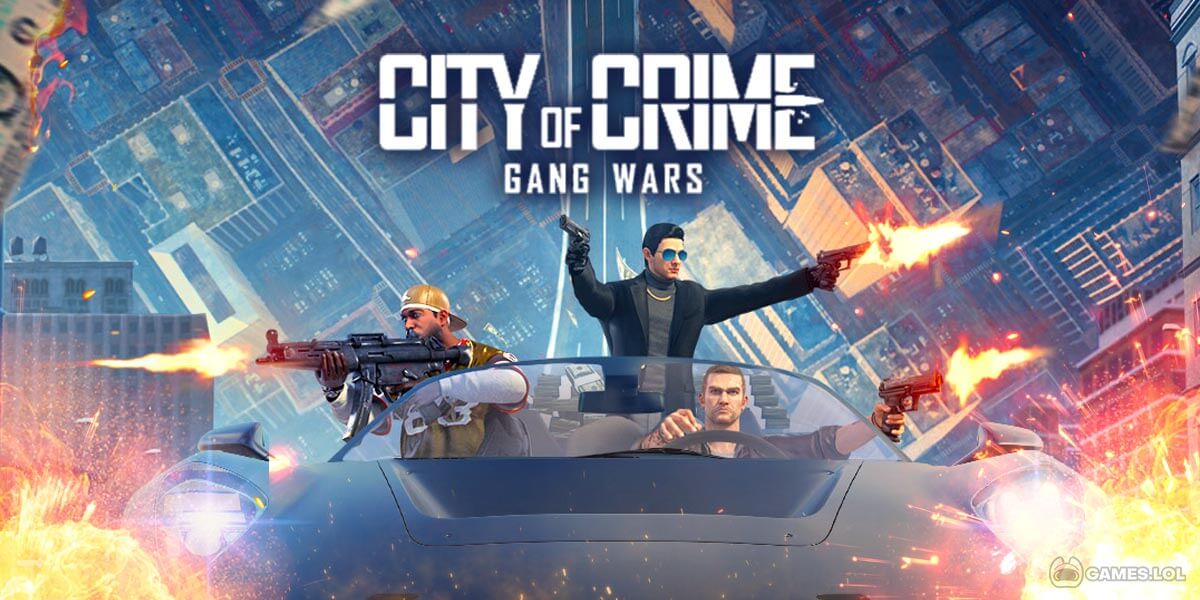
The mobile gaming industry has changed dramatically over the past decade. What was once a simple space for casual puzzle games and endless runners has become a massive entertainment ecosystem filled with open-world adventures, competitive PvP battles, deep progression systems, and social communities. Among the most persistent and profitable genres is the urban crime game, and few themes capture attention quite like gang warfare, city control, and street-level power struggles. The phrase “Gangs Wars City Game” has become a recognizable search term for players looking for intense urban combat, faction loyalty, territorial dominance, and RPG-style progression on their phones.
This article explores the major trends shaping Gangs Wars City-style games in the modern mobile market. It examines why these games continue to attract millions of players, how developers are blending genres, how monetization and AdSense-friendly content strategies support gaming websites, and what the future may hold for urban crime gaming. Whether you are a player, a developer, a content creator, or a publisher optimizing for search engines, understanding these trends is essential.
The appeal of Gangs Wars City games is not limited to action. These titles combine strategy, identity, competition, and progression. Players build crews, upgrade characters, unlock weapons, capture districts, and fight for reputation. The best games in this space create a sense of belonging and rivalry that keeps users returning day after day. As mobile hardware becomes more powerful and internet connectivity improves worldwide, the genre is evolving into something more sophisticated than ever before.
Understanding Gangs Wars City Games
Gangs Wars City games are typically set in fictional urban environments where players take on the role of a gang leader, street fighter, crime boss, or rising underworld figure. The core loop often involves completing missions, recruiting members, expanding territory, battling rival gangs, and upgrading resources. Some games emphasize real-time action, while others focus on strategy, management, or role-playing mechanics.
The term can refer to a specific title or a broader category of games that share similar themes. In many cases, these games borrow elements from open-world crime franchises, city-building simulations, turn-based RPGs, and multiplayer battle arenas. The result is a hybrid experience that appeals to different types of players.
A typical Gangs Wars City game may include several core features:
A. A persistent city map divided into districts, neighborhoods, or territories.
B. A crew or faction system where players recruit members and assign roles.
C. Competitive PvP modes that allow players to attack rivals and defend resources.
D. A progression system with character levels, weapons, vehicles, and skills.
E. Live events, seasons, and limited-time challenges that refresh the experience.
F. Social features such as chat, alliances, leaderboards, and cooperative raids.
G. Monetization through in-app purchases, ads, battle passes, or gacha mechanics.
These features are not unique to one game. They represent a broader trend in mobile gaming where depth, community, and continuous updates are used to retain players.
The Evolution of Urban Crime Gaming
Urban crime games have existed for decades on consoles and PCs. Titles that let players roam cities, complete criminal missions, and build criminal empires became cultural landmarks. Mobile developers eventually adapted these ideas into smaller, more accessible experiences. Early mobile crime games were often simple tapping games or text-based strategy titles. They lacked the graphical fidelity and mechanical depth of their console counterparts, but they offered convenience.
Over time, smartphones became more powerful. Developers began adding 3D graphics, real-time combat, voice chat, and expansive city maps. The success of open-world mobile games proved that players were willing to engage with complex systems on a small screen. Gangs Wars City-style games benefited from this shift.
Today, the genre is defined by several evolutionary trends. First, games are more persistent. They are not experiences that end after a few hours. They are live services that change weekly. Second, they are more social. Players join alliances, coordinate attacks, and compete for seasonal rewards. Third, they are more global. A player in Southeast Asia may compete against a player in South America or Europe. Fourth, they are more data-driven. Developers analyze player behavior to adjust difficulty, events, and monetization.
Trend A: Open-World Urban Exploration
One of the biggest trends in Gangs Wars City games is the move toward open-world exploration. Instead of selecting missions from a static menu, players can roam a city, discover hidden locations, interact with NPCs, and trigger dynamic events. This creates a stronger sense of immersion and ownership.
Open-world design also supports exploration-based monetization. Players may find loot boxes, resource nodes, or rare characters in specific districts. Limited-time events can appear in certain parts of the map, encouraging players to log in regularly. From an SEO perspective, open-world games generate many search queries: map locations, hidden rewards, mission guides, character unlock paths, and district control strategies. Content creators can build entire niches around these topics.
However, open-world mobile games face technical challenges. They must balance visual quality with battery life, storage space, and device compatibility. Developers often use streaming assets, lower-polygon models, and dynamic resolution to keep performance smooth. The best Gangs Wars City games succeed because they prioritize gameplay flow over photorealistic graphics.
Trend B: Faction-Based PvP and Alliance Warfare
Competition is the heart of gang-themed games. Players do not simply fight NPC enemies; they fight each other. Faction-based PvP and alliance warfare have become central trends because they create emotional investment. When players join a crew, they feel responsible for its success. When they lose territory, they want revenge.
Alliance systems add political depth. Leaders negotiate, betray, and form temporary truces. Some games include diplomacy channels, shared banks, and coordinated attack schedules. This turns the game into a social experiment as much as a combat experience.
A. Alliances create retention because players return to support their team.
B. PvP seasons provide fresh goals and rewards.
C. Leaderboards encourage whales and competitive players to spend more.
D. Cooperative raids allow weaker players to contribute through support roles.
E. Territorial control gives alliances a visible status symbol on the map.
For content creators, alliance warfare is a goldmine. War recaps, strategy guides, tier lists, and drama commentary attract loyal audiences. These topics also perform well in search engines because players actively look for advice before investing time or money.
Trend C: Hybrid Idle and City-Building Mechanics
Modern mobile players have busy schedules. They cannot always dedicate hours to active combat. This has led to the rise of hybrid idle and city-building mechanics in Gangs Wars City games. Players can assign crew members to generate resources, upgrade buildings, and train units even when they are offline. When they return, they collect rewards and make strategic decisions.
City-building elements add a management layer. Players construct safe houses, casinos, warehouses, and weapon factories. Each building contributes to income, defense, or combat power. This creates a loop where combat feeds construction, and construction feeds combat.
The hybrid approach works because it respects player time while still encouraging frequent check-ins. It also creates natural monetization points. Players can speed up construction, buy extra resource slots, or unlock premium buildings. However, developers must be careful not to make the game feel like a chore. The best implementations keep idle systems optional and rewarding rather than mandatory and punishing.
Trend D: Gacha and Character Collection
Gacha mechanics have become a dominant trend across mobile gaming, and Gangs Wars City games are no exception. Players collect gang members, street fighters, hackers, enforcers, and specialists. Each character has unique stats, skills, and synergies. Some are common, while others are rare or limited-edition.
Collection drives engagement because players want to complete their roster. It also drives revenue because players are willing to spend for a chance to unlock powerful characters. The emotional appeal is strong: a rare character is not just a stat boost; it is a trophy.
A. Character banners create urgency through limited-time availability.
B. Duplicate characters can be used for upgrades or shards.
C. Team synergy encourages experimentation and theorycrafting.
D. PvP metas shift when new characters are released.
E. Community guides and tier lists become essential resources.
From an SEO perspective, gacha games generate enormous search volume. Queries such as “best gang characters,” “tier list,” “reroll guide,” and “free pull codes” are common. Websites that publish accurate, updated content can attract consistent traffic and monetize with Google AdSense.
Trend E: Social Features and Cross-Platform Play
Gangs Wars City games are increasingly social. Chat systems, voice communication, friend lists, and alliance forums keep players connected. Cross-platform play is also becoming more common. A player may start on mobile and continue on PC or tablet. This flexibility expands the audience and strengthens communities.
Social features are not just about communication. They are about identity. Players customize avatars, banners, titles, and crew tags. They show off achievements and rare items. This creates a sense of status that encourages spending and long-term commitment.
Developers also use social pressure responsibly and irresponsibly. Daily alliance tasks can motivate teamwork, but they can also create burnout. The best games offer flexible participation and meaningful rewards without punishing players for missing a day.
Trend F: Live-Service Seasons and Events
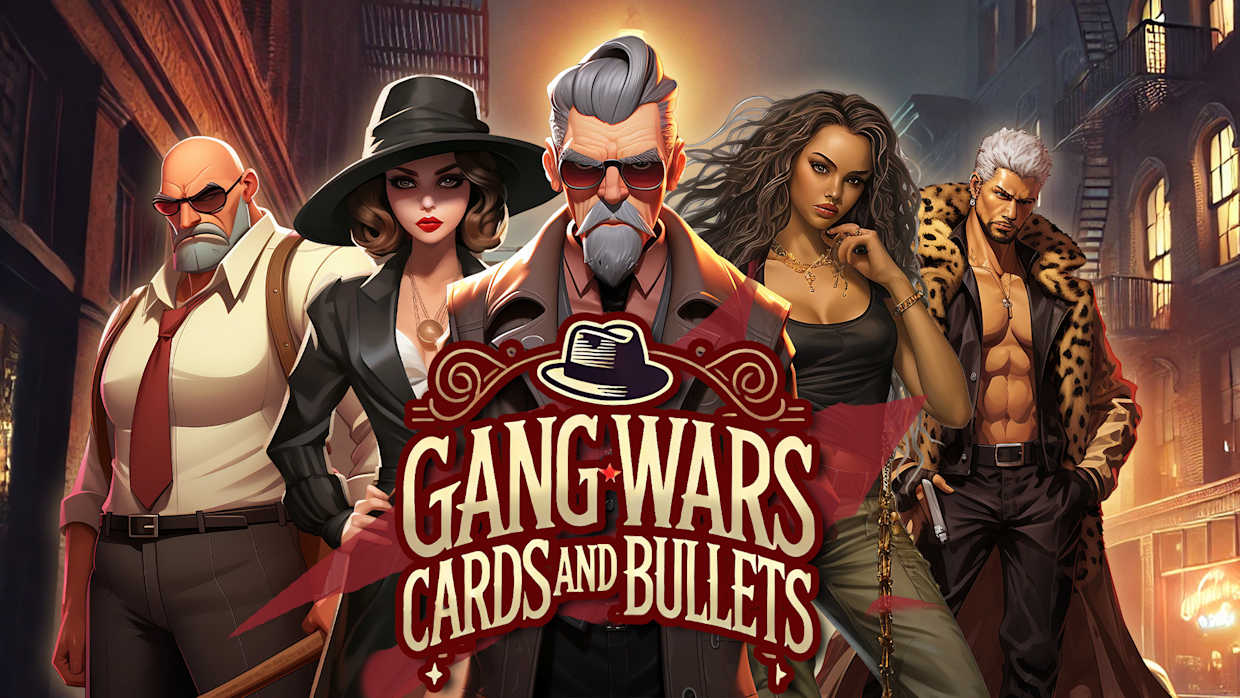
The live-service model has transformed mobile gaming. Instead of releasing a complete game and moving on, developers release a steady stream of seasons, events, balance changes, and story chapters. Gangs Wars City games use this model to keep the world feeling alive.
Seasons typically last several weeks. They introduce new characters, skins, weapons, maps, and game modes. Battle passes provide tiered rewards for active players. Limited-time events celebrate holidays, crossovers, or community milestones.
This trend benefits both players and publishers. Players always have something new to pursue. Publishers have recurring opportunities to monetize. Content creators have a constant stream of topics to cover. SEO specialists can publish season guides, event schedules, and reward lists.
Trend G: Short-Session Mobile Design
Mobile gaming is often played in short bursts. Players may have five minutes on a bus, ten minutes during lunch, or thirty minutes before bed. Gangs Wars City games are designed around this reality. Missions are usually short. Battles are fast. Resource collection is quick. Long-term goals are broken into daily tasks.
Short-session design does not mean shallow design. It means respecting attention. A player can complete a few missions, upgrade a character, and feel progress in a short time. Those who want deeper sessions can participate in alliance wars, raids, or ranked PvP.
This trend is important for retention. If a game demands too much time, players quit. If it offers too little, they get bored. The sweet spot is a game that rewards daily check-ins and offers optional depth.
Trend H: Monetization and AdSense-Friendly Content
Monetization in Gangs Wars City games usually combines in-app purchases, battle passes, ads, and gacha. From a publishing perspective, gaming websites that cover these games can also monetize through Google AdSense. However, AdSense policies require original, valuable content. Thin affiliate pages, copied guides, and misleading headlines can lead to penalties.
To build an AdSense-friendly gaming site, publishers should focus on:
A. Original strategy guides that help players improve.
B. Detailed character and weapon analyses.
C. Event calendars and update summaries.
D. Beginner tutorials and resource management tips.
E. Community news and developer interviews.
F. Ethical reviews that disclose monetization systems.
G. Mobile performance tips and device optimization guides.
High-quality content attracts organic search traffic. Organic traffic increases ad impressions. Ad impressions generate revenue. This cycle depends on trust. If readers find the content useful, they return. If they return, ad revenue grows.
Trend I: SEO and Discoverability in Gaming Niches
SEO is critical for gaming content. Players search for answers before downloading, while playing, and after reaching endgame. A well-optimized article can attract traffic for years if the game remains popular.
Key SEO strategies for Gangs Wars City content include:
A. Targeting long-tail keywords such as “best gang setup for beginners” or “how to unlock rare fighters fast.”
B. Using clear headings and structured content that search engines can understand.
C. Updating articles after major patches and seasons.
D. Including internal links to related guides and tier lists.
E. Optimizing page speed and mobile usability.
F. Avoiding keyword stuffing and duplicate content.
G. Building topical authority by covering the game comprehensively.
Search engines reward expertise, authority, and trust. A site that consistently publishes accurate, updated, and original content will outperform a site that publishes thin, copied articles. This is especially true in competitive gaming niches.
Trend J: Creator Economy and Mobile Esports
The creator economy has become inseparable from mobile gaming. Streamers, YouTubers, TikTokers, and bloggers shape how players discover and understand Gangs Wars City games. A single viral video can increase downloads dramatically. A negative review can damage a launch.
Mobile esports is also growing. While gang-themed games may not always be traditional esports, they often include ranked ladders, tournaments, and competitive alliances. Developers sponsor events, offer prize pools, and collaborate with creators. This ecosystem provides opportunities for skilled players to earn income and recognition.
For publishers, covering creators and tournaments can drive traffic. Interviews, match recaps, and meta analyses attract engaged audiences. These readers are more likely to click ads and spend time on the site.
Trend K: Graphics, Performance, and Device Optimization
Graphics in mobile games have improved significantly, but performance remains a challenge. Gangs Wars City games often feature large cities, many characters, and real-time effects. Developers must optimize for low-end devices while still rewarding high-end users.
Common optimization techniques include:
A. Scalable graphics settings.
B. Dynamic resolution and frame rate caps.
C. Texture streaming and asset compression.
D. Simplified physics for background objects.
E. Battery-saving modes for long sessions.
F. Regional server optimization to reduce lag.
Players care about smooth performance. A game that looks beautiful but runs poorly will lose users. A game that runs smoothly on affordable devices will reach a larger audience.
Trend L: Narrative and Immersion
Storytelling is becoming more important in Gangs Wars City games. Players want a reason to fight beyond numbers. A strong narrative creates emotional stakes. Maybe the player is seeking revenge. Maybe they are building a legacy. Maybe they are protecting their neighborhood from a ruthless rival.
Narrative can be delivered through cutscenes, dialogue, mission briefings, and environmental storytelling. Even simple text can be effective if it is well-written. Seasonal story arcs keep players invested. Cliffhangers encourage them to return.
Immersion also comes from audio. Voice acting, sound effects, and music set the tone. A city feels alive when players hear traffic, sirens, chatter, and gunfire. These details make the virtual world believable.
Trend M: Anti-Cheat and Fair Play
Competitive games attract cheaters. Gangs Wars City games are no exception. Hackers may use mods, speed hacks, or unauthorized tools to gain an advantage. This ruins the experience for legitimate players and damages revenue.
Developers are investing in anti-cheat systems, server-side validation, and player reporting tools. Fair play is a selling point. If players believe the competition is fair, they are more likely to spend money and stay engaged.
A. Server-authoritative combat reduces client-side cheating.
B. Machine learning can detect unusual behavior.
C. Regular bans send a strong message.
D. Transparent appeals processes build trust.
E. Community moderation reduces toxicity.
Publishers should also cover anti-cheat updates in their content. Players search for news about bans, exploits, and security patches.
Trend N: Regional Adaptation and Localization
Gangs Wars City games are global, but crime and city life are culturally specific. Developers localize language, names, holidays, and events to appeal to different regions. A game that feels local performs better than one that feels generic.
Localization is more than translation. It involves cultural adaptation. Character designs, music, and story themes may change. Monetization may also vary. What works in one market may not work in another.
A. Language support increases accessibility.
B. Regional servers improve latency.
C. Local events build emotional connection.
D. Currency pricing must match purchasing power.
E. Customer support should operate in local languages.
For content creators, localization creates opportunities. Guides can be tailored to specific regions, languages, and platforms.
The Future of Gangs Wars City Games
The future of Gangs Wars City games will likely be shaped by several forces. Artificial intelligence may create more dynamic NPCs and personalized missions. Cloud gaming may allow console-quality graphics on mobile devices. Cross-platform progression will become standard. User-generated content may allow players to design their own gangs, missions, and districts.
Monetization will continue to evolve. Battle passes, subscriptions, and ad-supported tiers may coexist. Developers will need to balance revenue with player trust. Games that respect players will survive longer. Games that exploit them will face backlash.
SEO and content creation will also evolve. Search engines are becoming better at understanding intent. AI-generated content may flood the internet, but original, experience-based content will remain valuable. Publishers who build communities and demonstrate expertise will win.
Conclusion
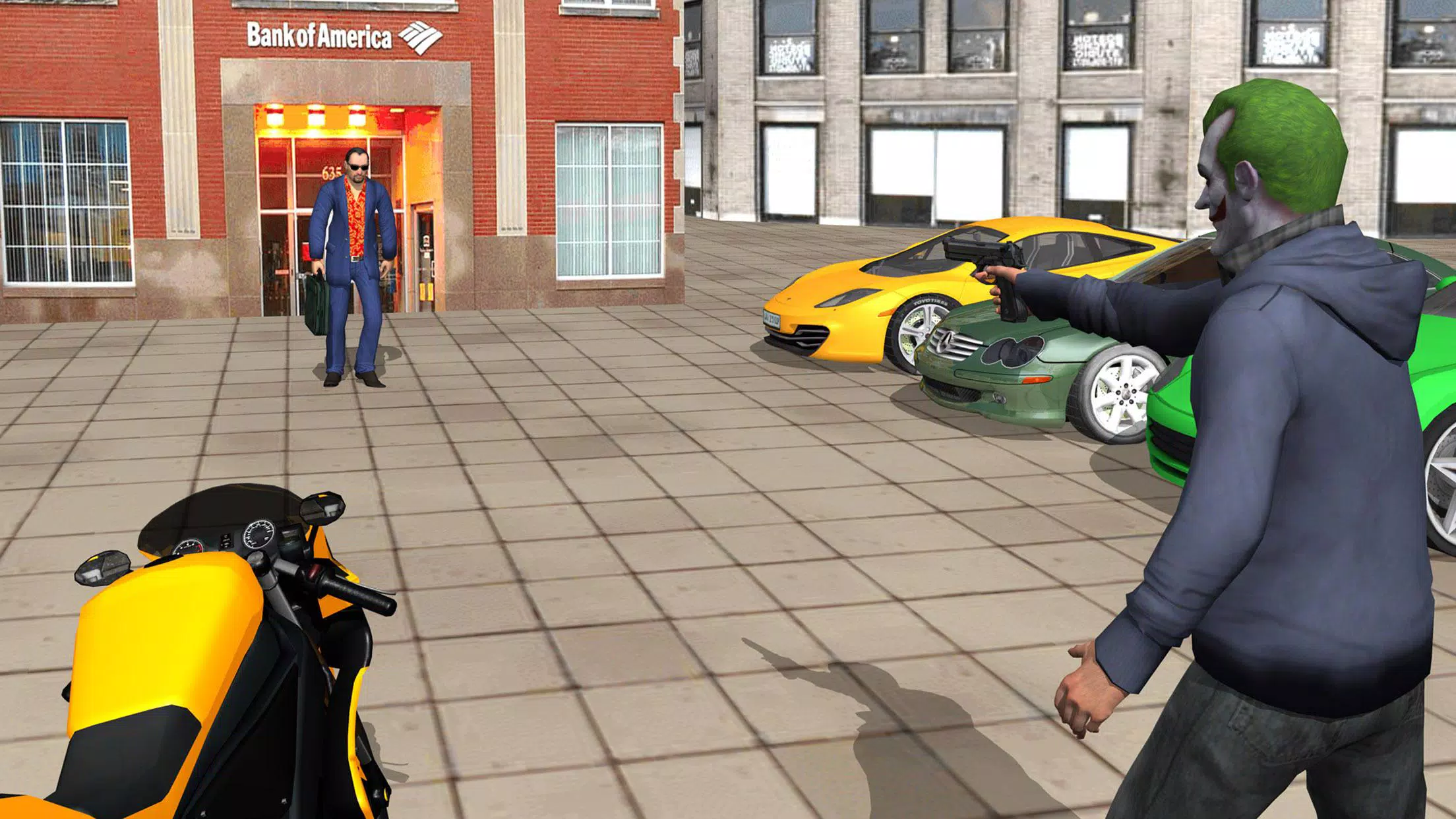
Gangs Wars City games represent a powerful intersection of action, strategy, social competition, and mobile convenience. Their trends reflect broader changes in the gaming industry: live services, open worlds, gacha collection, alliance warfare, short-session design, and global communities. For players, these games offer a fantasy of power, loyalty, and urban conquest. For developers, they offer a proven framework for engagement and monetization. For publishers and content creators, they offer a rich SEO niche filled with search demand and AdSense potential.
Success in this space requires more than copying what works. It requires understanding why players care. It requires respecting their time, rewarding their loyalty, and building worlds that feel alive. As mobile technology improves and player expectations rise, Gangs Wars City games will continue to adapt. The next generation of urban crime games will be more immersive, more social, and more competitive than ever. The trends outlined here provide a roadmap for anyone who wants to understand, create, or cover this exciting genre.