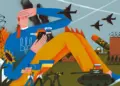
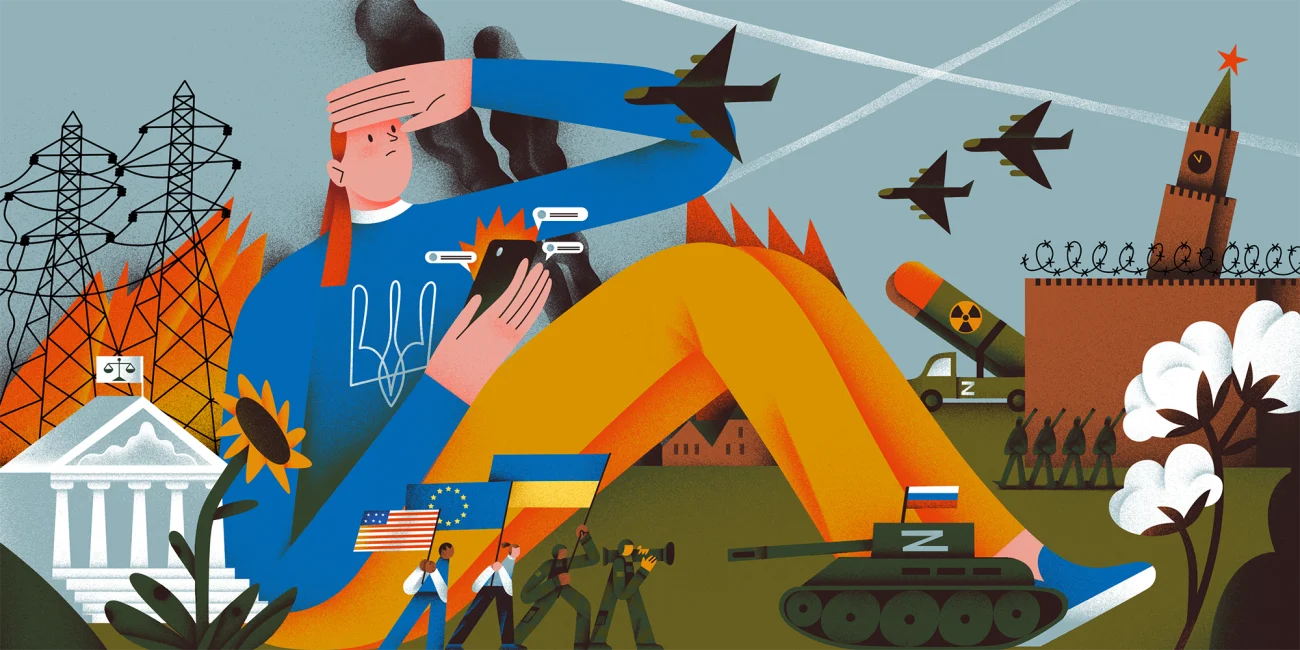
Social media was once sold to the world as a digital town square. It promised connection, community, and a faster route to truth. Protesters used it to organize. Families used it to stay close. Journalists used it to reach audiences beyond traditional gatekeepers. Yet in an age of hybrid warfare, that same town square has become a combat zone. Armies, intelligence agencies, militant groups, political operatives, and ordinary citizens now fight for attention, legitimacy, and control of the narrative. In many conflicts, the first shots are not bullets but posts, hashtags, livestreams, memes, and algorithmically boosted videos.
The phrase “social media becomes war platform” is no longer a metaphor. It describes a real shift in how modern conflict is planned, executed, justified, and remembered. Social platforms are used to recruit fighters, spread propaganda, coordinate attacks, document atrocities, counter official lies, and traumatize enemy populations. They can accelerate violence, but they can also expose it. They can empower the powerless, but they can also give authoritarian actors a cheap megaphone. Understanding this dual nature is essential for anyone who uses social media, regulates it, or depends on it for news.
This article examines how social media turned into a war platform, why platforms are so vulnerable to weaponization, how conflicts around the world have been shaped by digital information warfare, and what governments, companies, and users can do to reduce harm without destroying the open exchange of ideas.
From Connection to Confrontation
The transformation did not happen overnight. Social media became a war platform because several conditions converged at once.
A. Speed replaced deliberation. A post can travel around the world before a fact-checker finishes reading it. During conflict, speed creates a race for the first narrative, and the first narrative often sticks.
B. Borders became irrelevant. A user in one country can influence public opinion in another without a visa, passport, or physical presence. This makes information warfare cheap and deniable.
C. Algorithms rewarded emotion. Platforms discovered that anger, fear, outrage, and tribal loyalty generate more engagement than nuance. Conflict is emotionally charged, so war content spreads quickly.
D. Everyone became a broadcaster. Soldiers, civilians, paramilitaries, and bystanders can upload footage in real time. This creates a flood of raw evidence, but also a flood of unverified claims.
E. Trust in institutions eroded. When people distrust governments and mainstream media, they often turn to anonymous accounts, partisan influencers, and closed messaging groups. Those spaces are easy to manipulate.
Together, these factors turned social media from a communication tool into a theater of war. The battlefield is not only physical terrain. It is also the human mind, the global news cycle, and the moral narrative that determines who is seen as victim, aggressor, liberator, or terrorist.
How Social Media Is Weaponized
Social media becomes a war platform through several distinct but overlapping methods. Each method can be used by states, non-state actors, or ordinary users.
A. Propaganda and Narrative Control
Propaganda is the deliberate effort to shape perception. In digital conflict, propaganda is no longer limited to posters, radio, or state television. It appears as short videos, infographics, memes, hashtags, and influencer testimonials. Governments use it to justify military action, boost morale, demonize opponents, and deny responsibility. Non-state groups use it to project strength, attract sympathy, and frame themselves as defenders of a community. The goal is not always to convince everyone. Often, it is enough to confuse the public, exhaust fact-checkers, and make truth seem unknowable.
B. Psychological Operations and Fear
Psychological operations aim to influence emotions, behavior, and decision-making. Social media amplifies these operations because fear and anxiety spread faster than calm analysis. During war, psychological operations may include threats, graphic imagery, false reports of attacks, fake evacuation orders, or videos designed to humiliate an enemy. The target may be soldiers, civilians, diaspora communities, or international donors. The result can be panic, displacement, or pressure on leaders to respond rashly.
C. Recruitment and Radicalization
Extremist groups and armed movements have used social platforms to recruit followers, radicalize vulnerable individuals, and coordinate logistics. Recruitment often begins with identity-based content: a sense of injustice, belonging, purpose, and heroic destiny. Private messaging apps then move the conversation into encrypted spaces where moderation is difficult. This pipeline can turn a lonely user into a supporter, a fundraiser, a courier, or a fighter.
D. Crowdsourced Intelligence and Live War
One of the most significant changes is the rise of crowdsourced intelligence. Civilians upload photos of troop movements, weapons systems, damaged buildings, and military vehicles. Analysts use geolocation, chronolocation, satellite imagery, and open-source tools to verify claims. This can help document war crimes and correct official propaganda. However, it can also endanger soldiers and civilians if sensitive locations are revealed. Live-streamed war creates a strange intimacy: audiences watch destruction in real time, then scroll to entertainment within seconds.
E. Cyber Troops, Bots, and Troll Farms
Many governments and political groups employ cyber troops: organized teams that manipulate online discourse. They use fake accounts, automated bots, coordinated hashtags, and troll farms to create the illusion of mass support. Bots can amplify a message, drown out dissent, and make a fringe idea appear mainstream. Troll farms can harass journalists, activists, and ordinary users until they withdraw from public debate. This creates a chilling effect that is difficult to measure but deeply damaging.
F. Deepfakes and Synthetic Media
Artificial intelligence has made it easier to create realistic fake audio, images, and video. A deepfake can put words into a leader’s mouth or place a soldier in a location where they never stood. During a crisis, even a poorly made fake can be effective if it spreads before verification. The greater danger may be the “liar’s dividend”: when real evidence is dismissed as fake because people no longer trust what they see.
G. Data Exploitation and Targeting
Social media platforms collect enormous amounts of data. In conflict, that data can be used to profile populations, target advertisements, predict dissent, or identify activists. Authoritarian governments may buy data or demand access from platforms. Militant groups may harvest personal information from social profiles. Privacy is not a luxury in wartime; it can be a matter of survival.
H. Economic and Diplomatic Pressure
Information warfare also has economic and diplomatic dimensions. Hashtag campaigns can influence sanctions, arms deals, tourism, and foreign aid. Boycotts can be organized online. Investors can be pressured. Diplomats can be embarrassed by viral clips. Social media turns public opinion into a form of global pressure, but it can also reward performative outrage over practical solutions.
Conflict Case Studies
Social media’s role in war is not theoretical. Several recent conflicts show how digital platforms shape events on the ground.
A. Russia and Ukraine
The war in Ukraine has been called the first full-scale social media war. Ukrainian officials used platforms to appeal directly to global audiences, request weapons, and counter Russian narratives. Russian state media and aligned accounts pushed competing claims about Nazism, NATO, and historical rights. Civilians posted footage of tank columns, airstrikes, and occupied towns. Open-source investigators verified many incidents. At the same time, propaganda, fake videos, and bot activity flooded the information space. The conflict showed that social media can mobilize support, but it can also deepen polarization and spread trauma.
B. Israel and Gaza
The Israeli-Palestinian conflict has long been fought online as well as on the ground. During escalations, platforms fill with graphic footage, emotional testimony, historical arguments, and competing casualty claims. Both sides accuse the other of propaganda and censorship. Algorithms can amplify one narrative over another, sometimes unintentionally and sometimes through coordinated campaigns. The conflict also reveals how difficult content moderation is when language, context, and legal definitions are disputed.
C. Myanmar
In Myanmar, Facebook played a central role in the persecution of the Rohingya. The platform was used to spread hate speech, dehumanizing propaganda, and false rumors. United Nations investigators concluded that social media had contributed to real-world violence. The case became a warning about what happens when a platform enters a country without sufficient local language moderation, cultural knowledge, and legal accountability.
D. Ethiopia
During the Tigray war, social media was used to spread hate, incite violence, and mobilize support. Internet shutdowns limited access, but diaspora communities and activists used platforms to document atrocities and lobby for intervention. The conflict showed how information blackouts can make verification harder and allow propaganda to fill the gap.
E. Syria
In the Syrian civil war, citizen journalists and activists used social media to expose government attacks and document chemical weapons incidents. Their footage shaped international debate. However, armed groups also used platforms to recruit, fundraise, and intimidate. The line between witness, activist, and combatant sometimes blurred.
These cases share a common pattern: social media can be a tool of liberation and a tool of oppression at the same time. It can document crimes and also incite them. It can connect victims with global support and also expose them to harassment.
Why Social Media Is So Vulnerable to War
Social media is not a neutral pipe. Its design shapes what spreads and what disappears.
A. Engagement-Based Algorithms
Platforms earn attention by keeping users online. Content that triggers strong emotions performs well. War content is often shocking, urgent, and morally clear, which makes it ideal for algorithmic promotion. A peaceful analysis may be accurate but boring. A graphic clip may be misleading but irresistible.
B. Anonymity and Pseudonymity
Anonymous accounts can protect dissidents under authoritarian rule. They can also shield propagandists, bots, and trolls from accountability. When identity is cheap, manipulation becomes easier.
C. Weak Moderation in Local Languages
Many platforms invest more in English-language moderation than in smaller languages. Conflicts often occur in regions where platform staff lack language skills, cultural context, and local partnerships. This allows harmful content to remain online longer.
D. Encrypted and Private Channels
Moderation is even harder in private messaging apps and encrypted groups. False rumors, attack plans, and extremist recruitment can spread beyond public view. Platforms cannot easily police what they cannot see, and users may not want them to.
E. State Pressure and Platform Dependency
In some countries, governments pressure platforms to remove content, share data, or block services. In others, platforms depend on access to large markets and may hesitate to enforce rules strictly. This creates inconsistent policies that vary by country and crisis.
Impact on Civilians and Democracy
When social media becomes a war platform, the consequences reach far beyond the battlefield.
A. Psychological Trauma
Civilians are exposed to graphic violence, threats, and hate speech. Repeated exposure can cause anxiety, depression, and desensitization. For people in conflict zones, online harassment can feel like an extension of physical danger.
B. Polarization and Dehumanization
Propaganda often reduces complex conflicts to good versus evil. Opponents are described as animals, monsters, or traitors. This dehumanization makes violence easier to justify and reconciliation harder to achieve.
C. Real-World Violence
Online incitement can lead to real-world attacks. Mobs may be organized through social media. Hate speech can normalize discrimination. False rumors can trigger revenge killings.
D. Erosion of Trust
When people cannot agree on basic facts, democracy suffers. Elections, public health, and peace negotiations all depend on some shared reality. Information warfare deliberately destroys that shared reality.
E. Diaspora Mobilization and Activism
Not all effects are negative. Diaspora communities use social media to raise funds, organize protests, and keep attention on neglected conflicts. Activists use platforms to demand accountability. The same tools that spread hate can also spread solidarity.
Platform Responses and Their Limits
Social media companies have tried to respond, but their efforts are often incomplete.
A. Fact-Checking Partnerships
Platforms partner with fact-checking organizations to label false claims. This can reduce spread, but fact-checkers cannot keep up with the volume of content during war. They also face threats and political pressure.
B. Labeling and Demotion
Platforms may add warning labels or reduce the reach of misleading posts. Demotion can be effective, but it is opaque. Users may not know why a post was hidden, and accusations of bias can follow.
C. Takedowns and Account Bans
Platforms can remove content or ban accounts that violate rules. This is necessary in some cases, but it can also be used to silence legitimate voices. During war, mistakes can have fatal consequences.
D. Transparency Reports
Some platforms publish reports on content moderation. Transparency helps researchers and regulators, but reports are often delayed, incomplete, or too general to assess real impact.
E. Crisis Protocols
Platforms sometimes create special teams and policies for elections, pandemics, or wars. These protocols can improve response times, but they are often temporary and inconsistent across regions.
Regulation, Ethics, and Digital Resilience
The problem cannot be solved by platforms alone. Governments, civil society, and users all have roles.
A. International Law
Existing laws of war apply online. Incitement to genocide, threats, and coordination of attacks are not protected speech. States should clarify how international humanitarian law applies to digital platforms.
B. Platform Accountability
Platforms should be required to assess risks before entering new markets, invest in local moderation, and publish meaningful data. Regulation should be proportionate and protect human rights.
C. Media Literacy
Users need skills to evaluate sources, recognize emotional manipulation, and understand how algorithms work. Media literacy should be taught in schools and supported in communities.
D. Open-Source Verification
Investments in open-source intelligence can help verify claims and document abuses. Journalists, researchers, and citizens need tools and training to separate evidence from propaganda.
E. Ethical Design
Platforms can design products that reduce harm. This includes slower sharing for unverified content, friction before reposting, transparent recommendation systems, and features that prioritize accuracy over outrage.
The Future of Digital Conflict
The next phase of social media warfare is already emerging.
A. AI-Generated Propaganda
Generative AI can produce persuasive text, images, and videos at scale. Propagandists will use it to create content in many languages and target specific audiences.
B. Synthetic Voices and Video
Fake audio and video will become harder to detect. Verification will depend on provenance tools, digital signatures, and trusted news sources.
C. Decentralized Platforms
As users move to decentralized networks, moderation becomes more fragmented. This may protect free speech, but it can also create safe havens for extremism.
D. Regulation and Fragmentation
Governments may impose stricter rules, leading to a more fragmented internet. Some countries may block platforms entirely, while others demand local data storage and content controls.
E. Digital Resilience
The best defense is a population that can think critically, verify information, and resist manipulation. Digital resilience is now a national security issue.
What Users Can Do
Ordinary users are not powerless. Small habits can reduce the spread of war propaganda.
A. Pause before sharing. Emotional content is designed to make you react quickly. Wait, breathe, and check.
B. Verify the source. Look at the account’s history, location, and motives. A new account with no history may be a bot or a propaganda asset.
C. Cross-reference. Check multiple independent sources, including local journalists and open-source investigators.
D. Follow credible OSINT. Open-source intelligence accounts can provide verified updates, but even they make mistakes.
E. Report harmful content. If a post incites violence, threatens individuals, or spreads dangerous falsehoods, report it.
F. Protect privacy. Avoid sharing locations, troop movements, or personal details that could endanger civilians or soldiers.
G. Support quality journalism. Pay for news, share reliable reporting, and challenge rumors in your own networks.
Conclusion
Social media has become a war platform because it combines speed, scale, emotion, and anonymity. It allows states and non-state actors to fight for legitimacy, recruit followers, spread fear, and shape the historical record. It can expose atrocities and incite them. It can connect dispersed communities and isolate people in echo chambers. The same infrastructure that helps activists organize can help authoritarians manipulate.
The challenge is not to abandon social media. The challenge is to make it more resistant to weaponization. That requires transparent platforms, accountable governments, responsible journalism, strong media literacy, and users who refuse to become unwitting soldiers in someone else’s information war. The battlefield is already in our feeds. The question is whether we will defend our attention, our empathy, and our shared reality.