In the attention economy, conflict is no longer only reported; it is packaged, remixed, and optimized. The phrase “gamified war trick” describes a viral content formula that turns real or simulated warfare into something that feels like a video game. It appears as short clips with crosshairs, health bars, score counters, mission labels, loot drops, kill feeds, and level-up animations. The trick is simple: borrow the visual and psychological language of gaming, apply it to war, and let recommendation algorithms do the rest. The result can be gripping, disturbing, and highly shareable. It can also mislead, desensitize, and monetize trauma. This article explains what the gamified war trick is, why it went viral, how platforms and advertisers respond, and what responsible publishers should do.
What the Gamified War Trick Actually Is
The gamified war trick is not a single meme, filter, or editing preset. It is a cluster of techniques that make armed conflict look playable. A creator might take battlefield footage, add a first-person shooter interface, label the action as a “mission,” and set it to electronic music. Another creator might use a real military recruitment video and overlay experience points, unlockable gear, and a leaderboard. A third might produce a fictional scenario that mimics a war game while using real geopolitical language. The common thread is gamification: the use of game design elements in a non-game context.
This matters because war is not a game. Real people are killed, displaced, injured, and traumatized. When conflict is framed as a game, the viewer is invited to become a player rather than a witness. That shift changes the emotional distance. Instead of asking, “What is happening to these people?” the viewer may ask, “Who is winning?” or “What is the high score?” The trick works because games are designed to be engaging. They provide clear goals, immediate feedback, and a sense of progress. When those mechanics are attached to war content, they can make an otherwise unbearable subject feel thrilling, competitive, and even fun.
The gamified war trick also thrives on ambiguity. Some clips are clearly fictional. Some are real footage edited to look fictional. Some are propaganda. Some are satire. Some are marketing stunts. Because the format is familiar, viewers often fill in the gaps with their own assumptions. That ambiguity is part of the viral engine. It creates debate, confusion, and repeat viewing. It also makes moderation difficult. A platform may struggle to decide whether a clip is news, entertainment, hate speech, violent extremism, or simply a video game.
Why the Gamified War Trick Went Viral
The viral success of gamified war content is not accidental. It is the result of several psychological, technical, and economic forces working together. The following principles explain why this format spreads so quickly.
A. Immediate feedback loops. Games reward players within seconds. Viral war clips imitate that rhythm with quick cuts, hit markers, explosions, and score changes. The viewer receives a constant stream of small rewards, which keeps attention locked.
B. Clear and simple missions. A clip that says “Objective: Hold the Bridge” or “Mission: Survive” removes complexity. It gives the audience an easy narrative to follow. Simple stories travel faster than nuanced ones.
C. Reward and progression cues. Experience bars, level-ups, unlock notifications, and rank badges create a sense of advancement. Even when the content is fake, the brain responds to the pattern of progress.
D. Social proof and competition. Likes, comments, shares, and duets turn consumption into a scoreboard. Viewers compete to react first, make the best edit, or post the sharpest comment. The content becomes a social game.
E. Escalating stakes. War already involves high stakes. Gamification adds another layer: bosses, final rounds, sudden death, and leaderboards. The combination produces urgency and suspense.
F. Shareable identity. Reposting a gamified war clip can signal an identity: gamer, patriot, skeptic, edgy commentator, or anti-war critic. The clip becomes a badge that people wear online.
G. Low-friction participation. You do not need to understand geopolitics to understand a health bar. The format lowers the barrier to entry. Anyone can watch, react, and remix.
H. Narrative simplicity. Gamified war content often reduces a complex conflict to heroes, villains, missions, and rewards. That simplicity is emotionally satisfying, even when it is misleading.
I. Competitive tension. Games are built on winning and losing. When war is framed as a competition, viewers pick sides. That tribal energy drives engagement.
J. Perceived agency. A game controller suggests that the player can change the outcome. In a real war, most viewers have no control. Gamification offers an illusion of agency, which can be comforting or addictive.
These ten factors do not operate in isolation. They reinforce one another. A clear mission makes the stakes easier to understand. A reward loop makes the viewer want another clip. Social proof makes the format feel important. The algorithm notices the engagement and pushes the content to more people. The cycle repeats.
The Algorithmic Fuel Behind the Trend
Short-form video platforms are optimized for completion, replay, comment, and share. Gamified war clips perform well on all four. They often have a strong hook in the first second, a fast pace, and a loop that encourages rewatching. The visual language of gaming is also familiar to millions of users, so the content feels instantly readable. A crosshair, a damage indicator, or a “Game Over” screen communicates more than a paragraph of explanation.
Search engines add another layer. When a trend goes viral, people search for explanations. Queries such as “gamified war trick,” “war TikTok trend,” “why is war edited like a game,” and “is gamified war real” begin to appear. Publishers then rush to cover the trend. That coverage creates more links, more social shares, and more search demand. The trend becomes a topic, then a category, then a content niche.
For Google AdSense publishers, this creates a dilemma. War-related content can attract high traffic, but it can also trigger sensitive-content policies. Advertisers often avoid violent, graphic, or politically charged material. A publisher who covers the gamified war trick must therefore focus on analysis, media literacy, and ethical context rather than shock value. The goal is not to exploit the trend but to explain it. That approach is better for readers, better for brand safety, and better for long-term search performance.
The Anatomy of a Viral Gamified War Clip
Most viral gamified war clips follow a recognizable structure. Understanding that structure helps publishers, educators, and platform moderators respond more effectively.
A. The hook. The first second shows a weapon scope, an explosion, a scoreboard, or a dramatic caption. The viewer immediately knows this is war content styled as a game.
B. The interface overlay. Crosshairs, ammo counters, health bars, mini-maps, and mission text are added in post-production. These elements signal “game” even when the footage is real.
C. The sound design. Gunfire is synced to bass drops. Reload sounds become percussion. Voice lines from games are inserted. The audio makes the clip feel like a highlight reel.
D. The caption. Short text such as “Level 99,” “Boss Fight,” or “New Update” frames the conflict as a game update. The caption is designed to be read in less than two seconds.
E. The comment bait. The creator may ask, “Would you play this map?” or “Who won?” This invites debate and boosts the comment count.
F. The loop. The clip often ends where it began, so the viewer watches again without realizing it. Replays are a powerful ranking signal.
G. The remix. Other users stitch, duet, or parody the clip. Each remix introduces the content to a new audience. The trend becomes participatory.
H. Cross-platform spread. A clip that starts on one platform is downloaded and reposted to others. Watermarks are cropped. Attribution disappears. The content becomes everywhere at once.
This anatomy explains why the trend is so persistent. It is not just a video; it is a template. Once the template is established, anyone can use it. That is both its power and its danger.
Ethical Fault Lines
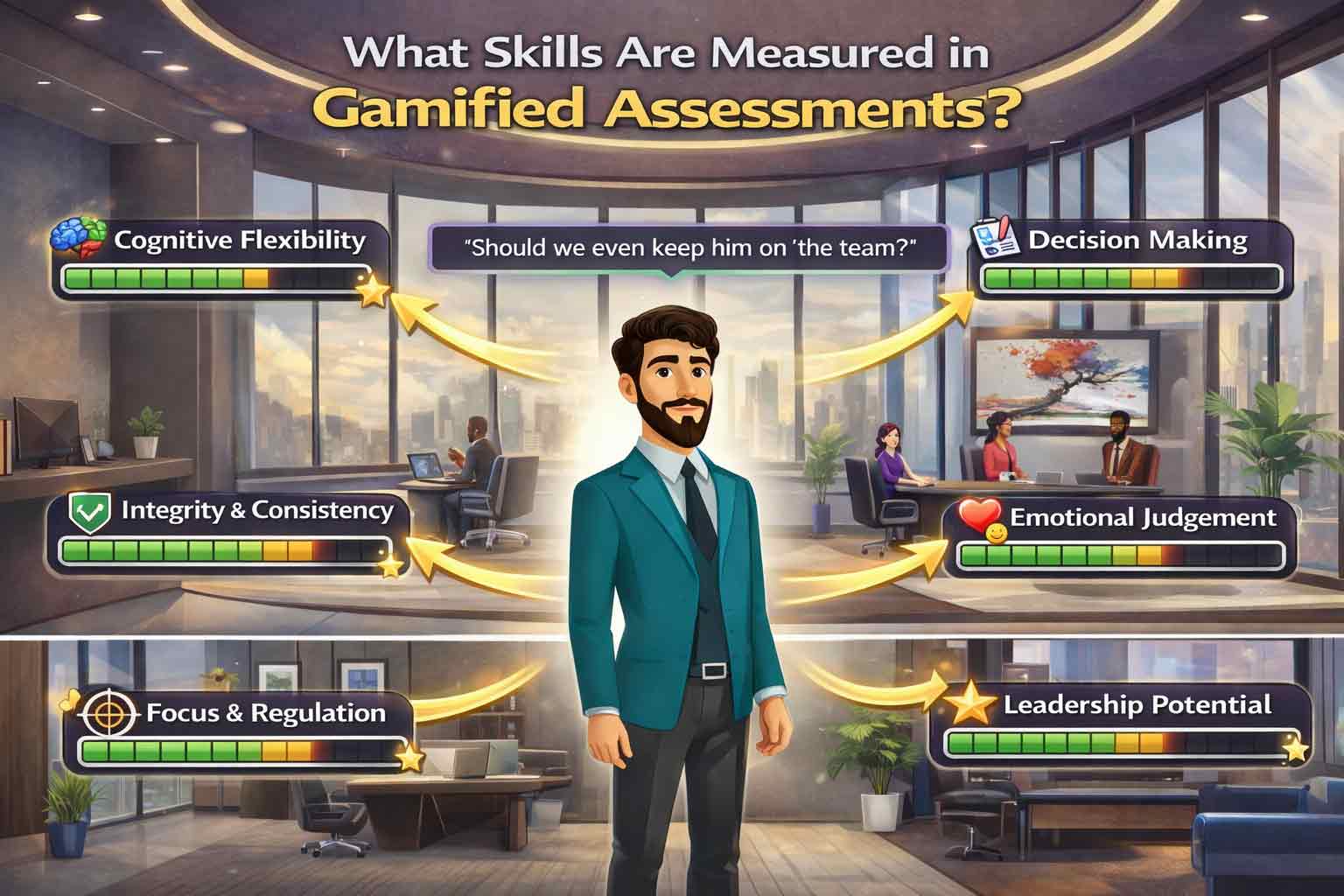
The gamified war trick raises serious ethical questions. The following concerns are not hypothetical; they are already visible in online discourse.
A. Desensitization. When war is presented as a game, viewers may become numb to real violence. The human cost becomes background noise.
B. Misinformation. Edited footage can be mistaken for real events. Gamified elements can make fabricated content seem more credible to some viewers and less credible to others, deepening confusion.
C. Propaganda amplification. States and non-state actors can use game aesthetics to recruit, radicalize, or justify violence. The format makes extreme messages more palatable.
D. Trauma exploitation. Real suffering can be turned into content for clicks. Victims and survivors may see their experiences reduced to a score or a meme.
E. Platform moderation gaps. Automated systems often struggle to classify gamified war content. It may be flagged as gaming, news, entertainment, or violence, depending on the context.
F. Advertiser risk. Brands do not want their ads next to graphic or glorified violence. Publishers who cover the trend must be careful with placement and framing.
G. Legal and regulatory uncertainty. Some countries have strict laws about war propaganda, terrorism content, and online speech. A viral clip can cross legal boundaries without the creator realizing it.
H. Psychological harm. Repeated exposure to gamified violence can affect sleep, anxiety, and empathy, especially in young viewers.
I. Blurred reality. When game interfaces are layered over real footage, the line between simulation and reality becomes harder to see. This can undermine trust in all media.
J. Escalation dynamics. If war is a game, then winning is the goal. That framing can encourage more aggressive rhetoric and less interest in diplomacy.
These fault lines do not mean that all gamified war content is evil. Some creators use the format to criticize war, expose propaganda, or teach media literacy. Context matters. Intent matters. But the format itself carries risks that cannot be ignored.
Impact on Audiences and Creators
The audience for gamified war content is diverse. It includes gamers who enjoy military shooters, young people who follow geopolitical news through memes, veterans who process trauma through dark humor, and casual viewers who are simply curious. Each group responds differently. Some see it as entertainment. Some see it as activism. Some see it as an insult. Some see it as a warning.
For creators, the trend offers attention but also instability. A viral clip can bring millions of views, but it can also bring harassment, account suspensions, and demonetization. Platforms may change their policies overnight. Advertisers may pull out. The creator may be praised as a genius one week and condemned as a warmonger the next. This volatility makes gamified war content a high-risk niche.
For publishers, the lesson is clear: do not chase the trend without a responsible angle. A thoughtful article, explainer video, or podcast episode can attract search traffic while maintaining advertiser trust. Sensational thumbnails and graphic autoplay videos may boost short-term clicks, but they can damage a site’s reputation and AdSense eligibility.
Monetization, AdSense, and Brand Safety
Google AdSense and similar ad networks rely on brand safety. Advertisers want their messages to appear alongside content that is suitable for a general audience. War content is inherently sensitive. Even when it is educational, it can trigger manual reviews and limited ad serving. Publishers should therefore follow several best practices.
A. Avoid graphic imagery. Use descriptive language instead of showing dead bodies, severe injuries, or explicit violence.
B. Focus on analysis. Explain why the trend exists, how it spreads, and what it means. Do not simply repost viral clips.
C. Use clear headlines. Clickbait titles may get clicks, but they can also confuse readers and attract low-quality traffic.
D. Add context and warnings. If you must discuss disturbing content, tell readers what to expect and why it matters.
E. Cite credible sources. Link to platform policies, media literacy organizations, and reputable news outlets.
F. Separate news from opinion. Label commentary clearly. Do not present speculation as fact.
G. Monitor ad placement. Use category exclusions and allowlists to keep ads away from sensitive sections.
H. Update content regularly. Viral trends change quickly. An article that was accurate last month may be misleading today.
I. Prioritize E-E-A-T. Experience, expertise, authoritativeness, and trustworthiness matter more than ever for search rankings and advertiser confidence.
J. Respect affected communities. Do not use their suffering as a hook. Ask whether your content adds value or simply extracts attention.
These practices are not just ethical; they are practical. Advertisers reward consistency and trust. Search engines reward helpful, reliable content. Readers reward honesty. A publisher who covers the gamified war trick responsibly can build authority in a difficult niche without sacrificing monetization.
SEO Lessons Without Exploitation
The gamified war trick is a search trend, which means it has SEO value. But SEO should not mean exploiting tragedy. The best approach is to answer real questions clearly and thoroughly. What is the gamified war trick? Why did it go viral? Is it dangerous? How can parents, teachers, and platforms respond? These are the queries that deserve answers.
Keyword research should focus on intent. Informational queries are safer and more sustainable than shock queries. Long-tail phrases such as “how to explain gamified war content to teenagers” or “why war videos look like video games” can attract readers who want understanding, not spectacle. Internal linking to related articles about media literacy, misinformation, and digital ethics can improve site structure. Schema markup for articles, FAQs, and breadcrumbs can help search engines understand the content. But none of this matters if the article itself is shallow or exploitative.
How to Cover Viral War Trends Responsibly
Journalists, bloggers, and educators need a repeatable framework for covering trends like the gamified war trick. The following steps can help.
A. Verify the source. Determine whether the footage is real, simulated, or AI-generated. Check the original upload, metadata, and context.
B. Assess the intent. Is the creator informing, entertaining, recruiting, satirizing, or propagandizing? Intent shapes meaning.
C. Consider the audience. Who will see this content? Could it traumatize, radicalize, or mislead them?
D. Add media literacy. Explain how the editing works. Point out the game mechanics. Teach viewers to spot manipulation.
E. Avoid amplification. Do not embed the most graphic or extreme version. Use stills, descriptions, or links only when necessary.
F. Include expert voices. Psychologists, media scholars, veterans, and platform policy experts can provide depth.
G. Offer resources. Link to mental health support, fact-checking sites, and digital safety guides.
H. Update the story. Viral trends evolve. Follow-up coverage can correct errors and track policy changes.
I. Evaluate impact. Ask whether your coverage is helping readers understand the issue or simply adding to the noise.
This framework is not censorship. It is responsible storytelling. It recognizes that words and images have power. It treats the audience as capable of understanding complexity rather than reducing them to click metrics.
The Future of Gamified Conflict
The gamified war trick is likely to become more sophisticated. Artificial intelligence can generate realistic battlefield footage. Augmented reality can place game interfaces over real-world views. Virtual reality can immerse users in simulated conflicts. Interactive narratives can let viewers make choices that affect the outcome. These technologies will blur the line between game, news, and propaganda even further.
At the same time, audiences are becoming more aware of manipulation. Media literacy campaigns are growing. Platforms are investing in detection tools. Researchers are studying the effects of gamified violence. The future will be a contest between immersion and awareness. The more realistic the game, the more important the reality check.
Conclusion
The gamified war trick went viral because it combines the most engaging elements of gaming with the most urgent subject of our time. It offers clear goals, immediate rewards, social competition, and a sense of agency. It is also a warning about how easily war can be turned into content. For publishers, the challenge is to explain the trend without becoming part of the problem. That means prioritizing context over shock, analysis over exploitation, and long-term trust over short-term clicks. The gamified war trick may continue to spread, but responsible storytelling can help audiences see it for what it is: a powerful format that deserves scrutiny, not imitation.