
The United Arab Emirates has long stood as a beacon of stability in a region defined by volatility, a gleaming oasis where international business, luxury tourism, and expatriate dreams converge under the protective umbrella of carefully cultivated security. That carefully constructed image has been fundamentally shaken in 2026, as the widening conflict between the United States, Israel, and Iran has thrust Dubai and Abu Dhabi into an uncomfortable and dangerous spotlight. The fears that a major metropolitan hub could become a direct casualty of war have moved from theoretical speculation to urgent reality, prompting global analysts, economists, and travelers alike to reassess the vulnerabilities of a nation that never designed itself for the battlefield.
The Fragility of a Tourist Paradise
The core of the current anxiety lies in a fundamental contradiction: the UAE has built its global reputation on being the opposite of a war zone. Dubai and Abu Dhabi are not fortified military installations; they are sprawling destinations designed for leisure, commerce, and financial investment. This disconnect between peaceful design and wartime exposure is precisely what has alarmed experts like Jeffrey Sachs, a renowned American economist who has issued stark warnings about the consequences of Emirati involvement in the broader regional conflict.
Sachs has argued that the UAE has entangled itself in what he describes as an “absurd mess” by aligning too closely with the United States and Israel, and that the nation’s major cities are dangerously unprepared for the realities of modern warfare. In his assessment, Dubai and Abu Dhabi could face catastrophic destruction if the UAE deepens its participation in the war against Iran. His reasoning is grounded in the very nature of these cities: they are resort areas and tourist destinations, not fortified missile defense zones. They are places where wealthy individuals go to enjoy themselves and park their capital, and entering a war zone fundamentally defeats the entire purpose of their existence.
This perspective underscores a harsh strategic reality. The economic model of the UAE depends on an implicit promise of safety and stability. When that promise is broken, the consequences ripple far beyond physical damage. The psychological and reputational impact of missile alerts, drone strikes, and visible explosions in a city synonymous with luxury is immense, potentially more damaging than the attacks themselves.
A Nation Under Fire: The Scale of the Threat

The fears are not abstract. Since the conflict began on February 28, 2026, with US and Israeli strikes against Iran, the UAE has been subjected to an unprecedented barrage of hostile fire. According to official figures cited by UAE authorities, the country’s air defense systems have intercepted nearly 3,000 ballistic missiles, cruise missiles, and drones targeting civilian facilities and critical infrastructure.
The targets have included airports, ports, and energy facilities, demonstrating that the conflict is not confined to remote military outposts but reaches directly into the civilian and economic heart of the nation. The sheer volume of projectiles directed at Emirati territory far exceeds what any other country in the region has faced, underscoring the UAE’s particular vulnerability due to its proximity to Iran and its role as a host to US military assets.
The human toll, while relatively limited compared to the scale of the attacks, has been deeply unsettling for a population unaccustomed to such violence. Official reports have confirmed several deaths and dozens of injuries, primarily caused by falling debris from intercepted projectiles. These incidents have occurred in civilian areas, including residential buildings, hotels, and commercial districts, bringing the war literally to the doorsteps of ordinary residents.
A. 189 ballistic missiles and 941 drones were launched at the UAE in the initial phase of the conflict, according to early estimates.
B. More than 1,500 drones were intercepted by UAE air defenses within the first two weeks of hostilities.
C. Fires broke out near Dubai International Airport, at hotels on the Palm Jumeirah, and along Sheikh Zayed Road, a major commercial artery, due to falling debris.
D. A drone struck the facade of a building along Sheikh Zayed Road, a stark visual reminder of the conflict’s reach into the heart of Dubai.
E. The UAE’s sole nuclear power plant was targeted by a drone strike, sparking a fire on its perimeter, highlighting the risk to critical infrastructure.
These incidents, while not catastrophic in isolation, collectively shatter the illusion of invulnerability that has been central to the UAE’s brand. Residents have reported hearing fighter jets, missile alerts, and the distinct thuds of air-defense interceptions with increasing frequency, a soundtrack of war that has replaced the usual hum of commerce and tourism.
Economic Shockwaves Through a Global Hub
The economic ramifications of the conflict are already profound, threatening the very foundations of the UAE’s prosperity. The UAE’s economy is heavily reliant on two interconnected pillars: energy exports and a service sector built on tourism, hospitality, conferences, and financial services. Both have been severely disrupted.
The strategic Strait of Hormuz, through which a significant portion of the world’s oil passes, has been effectively blocked by Iran, choking off the UAE’s oil trade. This disruption has more than halved the Emirates’ exports of crude oil and natural gas, dealing a massive blow to government revenues and the broader economy. The UAE’s recent announcement of plans to build an alternative pipeline to reduce reliance on the strait, and its decision to withdraw from the OPEC oil cartel, reflect a desperate scramble to adapt to a new and hostile reality.
The tourism and hospitality sectors, which have been the most visible symbols of Dubai’s global appeal, have suffered a devastating blow. Occupancy rates are expected to remain depressed well into the future, with analysts from Moody’s warning that travelers are likely to remain hesitant even after active hostilities subside. The recovery of tourist confidence, the lifeblood of Dubai’s economy, could take months or even years. The images of empty markets, such as the Al Seef district, once bustling with international visitors, and the slowdown in air travel, with passenger numbers dropping to roughly 60 percent of pre-conflict levels, paint a grim picture of an economy under siege.
The financial fallout is not confined to tourism. The UAE has long been a magnet for global capital, a safe haven for wealth in a turbulent region. This status is now being questioned. The underlying assumption that the US military presence in the Gulf would provide an impenetrable shield has been exposed as a miscalculation. As one analyst noted, the Abraham Accords, which normalized relations with Israel, and the broader alignment with American foreign policy, have come at a significant cost, turning the UAE into a potential target rather than a protected ally.
The Social and Psychological Toll
Beyond the economic indicators and military statistics, a deeper, more insidious transformation is taking place within Emirati society. The war is eroding the sense of safety and normalcy that has been a hallmark of life in the UAE for decades. For a population that is over 90 percent expatriate, the psychological impact is particularly acute.
Residents from diverse backgrounds, who came to Dubai seeking economic opportunity and a stable environment, are now confronting the prospect of evacuation. While there has been no massive exodus of foreign residents, the quiet preparations tell their own story. Bottled water is being rationed. Families are ensuring their documents are in order and vaccinations are up to date for pets, just in case a rapid departure becomes necessary. Housekeeping staff and other service workers worry about losing their jobs as the economic slowdown bites.
The government has taken steps to maintain a semblance of order. Malls and supermarkets remain stocked, prices have been relatively stable, and children have shifted to online learning. The UAE leadership has emphasized national resilience, with President Sheikh Mohamed bin Zayed Al Nahyan delivering speeches that have been widely circulated as symbols of unity. However, beneath this calm surface, the shadow of war looms large, affecting the mental well-being of millions who now live with a persistent undercurrent of anxiety.
The contrast between the glossy, aspirational image of Dubai and the reality of missile alerts is stark. The iconic Burj Al Arab and the museums of Abu Dhabi, symbols of the nation’s ambition, have become objects of concern rather than pride, as parents field questions from children about whether these beloved landmarks might be next.
Resilience Amidst Adversity
Despite the immense pressures, there are signs of remarkable resilience. Dubai has a track record of bouncing back from crises, including the 2008 global financial meltdown and the COVID-19 pandemic. Some analysts and business leaders argue that financial centers are not necessarily born in times of peace and can, paradoxically, consolidate their strength during periods of turbulence.
A. The UAE’s air defense systems have demonstrated a high interception rate, preventing a far greater loss of life and destruction.
B. The government has moved swiftly to maintain social order and ensure the continued availability of essential goods.
C. The expatriate community, while anxious, has largely remained in place, demonstrating a degree of confidence in the nation’s ability to weather the storm.
D. Some investors and entrepreneurs view the crisis as a test of the UAE’s mettle, believing that its fundamentals remain strong.
E. Diplomatic efforts, including a ceasefire mediated by Pakistan that took effect in April, have provided temporary respite, though a lasting peace remains elusive.
The official position of the UAE government is one of defiance and self-reliance. Minister of State Khalifa Shaheen Al Marar has stated that the UAE does not seek protection from any party and is fully capable of deterring aggression and defending its sovereignty. This stance, while assertive, does little to alleviate the underlying fears about the long-term security of a nation that has become a frontline state in a broader geopolitical confrontation.
The Road Ahead: Uncertainty and Adaptation
The future trajectory of the conflict and its impact on the UAE remains deeply uncertain. The ceasefire, while welcome, is fragile. Talks aimed at securing a lasting agreement have thus far failed, and the potential for renewed and even more intense hostilities remains high. The fundamental question facing the UAE is whether it can extricate itself from a conflict that it did not start but has become deeply entangled in.
The warnings from figures like Jeffrey Sachs serve as a sobering reminder of the stakes. The alignment with the United States and Israel, while providing certain strategic benefits, has also made the UAE a target. The challenge for Emirati leadership will be to navigate a path that ensures the security of its people and the survival of its economic model without further inflaming regional tensions.
For the millions of residents who call Dubai and Abu Dhabi home, the immediate future is one of watching and waiting. They continue to work, to send their children to school, and to hope for a return to the normalcy that once defined life in the Emirates. But the sounds of explosions in the distance and the sight of missile alerts on their phones serve as constant, unnerving reminders that the war they feared has arrived at their doorstep. The city of gold is learning to live under the shadow of war, and the world is watching to see whether its famous resilience can withstand the ultimate test.
Conclusion: A New Chapter in the Gulf
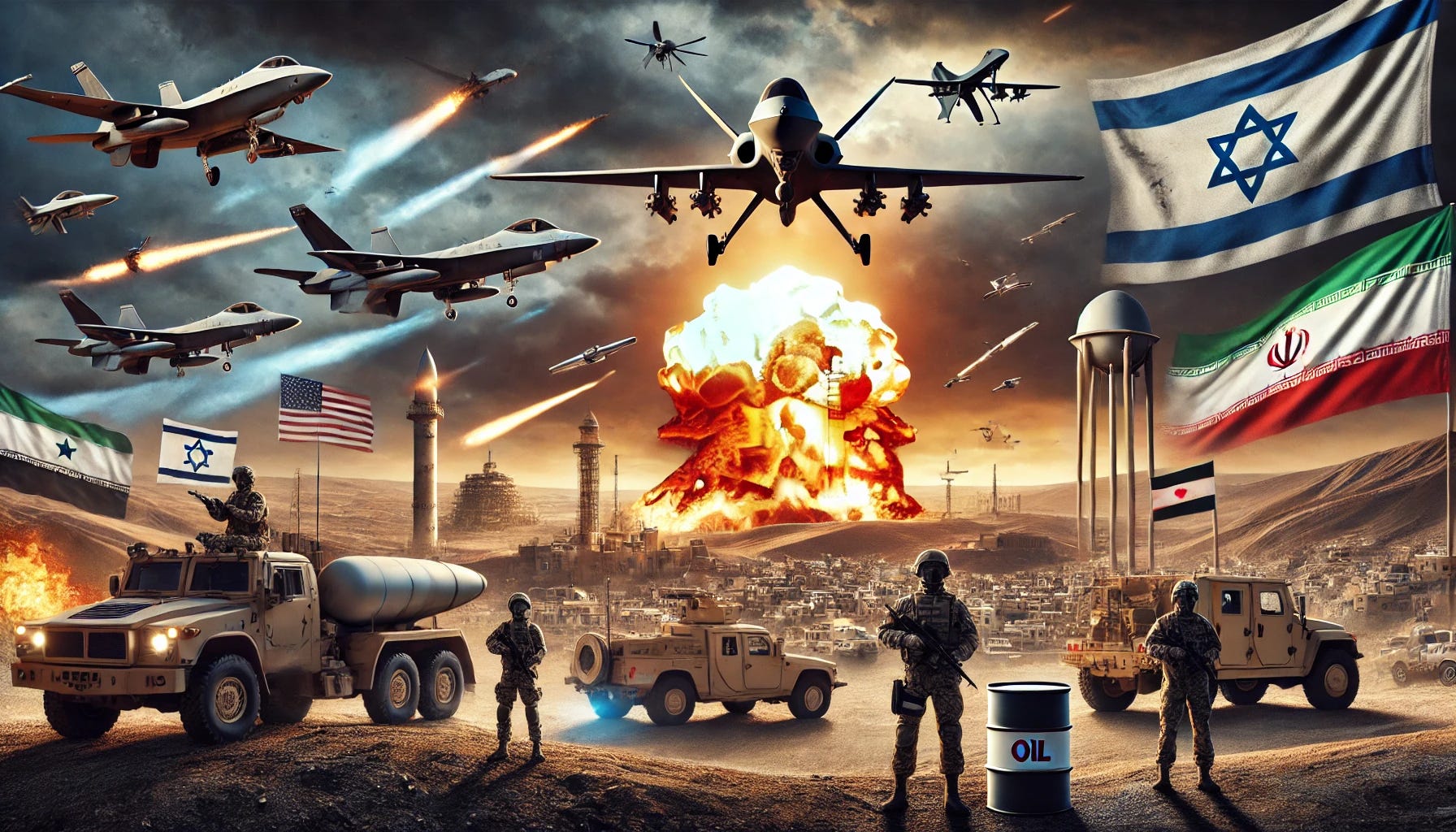
The fears surrounding Dubai as a potential war city are no longer hypothetical. They are rooted in the tangible realities of missile strikes, economic disruption, and a pervasive sense of vulnerability that has fundamentally altered the social fabric of the nation. The coming months will be decisive. Will the UAE be able to maintain its position as a global hub, or will the conflict permanently scar its reputation as a safe haven? The answer depends on a complex interplay of military developments, diplomatic efforts, and the unwavering spirit of its people. What is certain is that the Dubai of tomorrow will be different from the Dubai of yesterday, forever marked by the year the war came to the Gulf’s gleaming metropolis.