
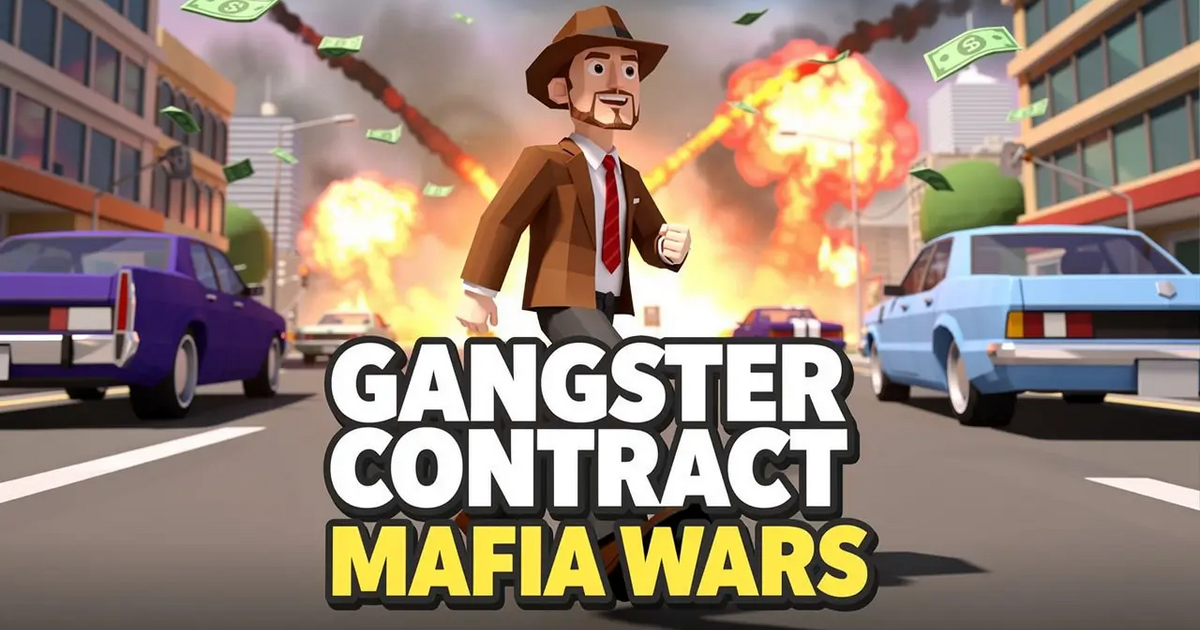
In the crowded world of mobile gaming, only a handful of titles manage to break through the noise and reach the upper levels of app store rankings. Mafia Wars City has become one of those rare successes. Its recent climb into top chart positions has attracted attention from players, developers, marketers, and content creators alike. The game combines familiar mafia themes with city-building mechanics, social competition, and live event systems that keep players returning. Its rise is not simply a matter of luck. It reflects a carefully designed loop of progression, reward, and community pressure that encourages daily engagement. For anyone interested in mobile gaming trends, app store optimization, or digital monetization, the case of Mafia Wars City offers valuable lessons. This article explores why the app hit the top, how its gameplay works, what players enjoy, where it struggles, and what its success means for the broader mobile gaming market.
The Surge to the Top
Mafia Wars City did not appear at the top overnight. Its climb was powered by a mix of brand recognition, aggressive user acquisition, social features, and frequent content updates. The mafia genre has a long history in games, from tabletop titles to browser-based social games. That familiarity gives new players an immediate sense of what to expect. They understand the fantasy: build an empire, recruit allies, control territory, and outmaneuver rivals. Mafia Wars City takes that fantasy and packages it for mobile devices with short sessions, tap-friendly controls, and constant notifications. The result is a game that feels easy to start but difficult to put down.
Another factor is the app’s ability to create a sense of urgency. Limited-time events, competitive leaderboards, and alliance wars push players to log in multiple times a day. When a game becomes part of a daily routine, retention rises. Higher retention leads to better app store visibility, which leads to more downloads. That cycle can quickly push a title into the top charts. Mafia Wars City appears to have triggered exactly that loop. Its top-chart performance is therefore both a cause and an effect of its design.
Understanding the Core Gameplay
At its heart, Mafia Wars City is a strategy and management game. Players begin with a small criminal operation and gradually expand into a powerful syndicate. The game mixes several systems that appeal to different types of players. Some enjoy designing and upgrading their city. Others prefer combat, alliances, or economic optimization. By offering multiple paths to progress, the app widens its audience. A player who enjoys quiet building can still contribute to a team, while a competitive player can focus on player-versus-player battles.
The gameplay loop generally follows a simple pattern. Players collect resources, assign crew members, complete jobs, upgrade buildings, and unlock new districts. Each action feeds into the next. Resources are needed for upgrades. Upgrades unlock stronger missions. Stronger missions produce better rewards. Better rewards allow players to compete in higher-tier events. This loop is familiar, but Mafia Wars City adds enough variety to keep it from feeling stale. New chapters, seasonal themes, and rotating challenges give players fresh goals.
Social systems are equally important. Alliances allow players to pool resources, coordinate attacks, and defend against rivals. Chat features and shared objectives create a sense of belonging. When players feel connected to a group, they are less likely to abandon the game. This social glue is one of the strongest reasons behind the app’s top-chart performance. A solo player may leave after a few weeks, but a player with friends and teammates often stays for months or years.
Why Players Are Drawn to the Game
Several factors explain the game’s popularity. The first is theme. Mafia stories have enduring appeal because they offer power, loyalty, betrayal, and strategy in a dramatic setting. Players can explore a dangerous fantasy without real-world consequences. The second factor is accessibility. The game is easy to learn, and early progress feels fast. New players receive rewards, guidance, and clear goals. That positive early experience reduces the chance they will uninstall before understanding the deeper systems.
The third factor is competition. Leaderboards, rankings, and timed events create clear comparisons. Players want to see their name rise. They want their alliance to dominate. They want to prove that their strategy is better than someone else’s. Competition drives engagement, and engagement drives revenue. The fourth factor is constant updates. Live service games depend on fresh content. Mafia Wars City keeps players interested by adding new events, characters, equipment, and challenges. When a game feels alive, players are more likely to invest time and money.
The fifth factor is community. Online forums, social media groups, and video guides create an ecosystem around the game. Players share tips, complain about updates, celebrate victories, and form rivalries. That community generates free marketing. Every discussion, review, and guide can appear in search results, drawing new players into the app. This is where search engine optimization and content creation intersect with mobile gaming success.
Top Charts and the Mobile Gaming Market
Reaching the top of the app stores is a major achievement, but it is also a moving target. Rankings are influenced by downloads, retention, revenue, ratings, and engagement. A game can hit the top during a strong launch or a major update, then fall as competition increases. Staying at the top requires continuous investment. Mafia Wars City has managed to remain visible because it combines paid user acquisition with organic growth. Ads bring new players in, while social features and live events keep them from leaving.
The top charts matter because they create a feedback loop. Higher rankings lead to more visibility. More visibility leads to more downloads. More downloads can lead to higher revenue, which can be reinvested into marketing. This flywheel is powerful, but it is also fragile. If the game fails to retain players, the cycle breaks. If monetization feels too aggressive, ratings drop. If updates introduce bugs or unbalanced mechanics, the community rebels. Mafia Wars City has navigated these risks well enough to reach the top, but it cannot afford to become complacent.
Monetization and Revenue Strategy

Like most free-to-play mobile games, Mafia Wars City generates revenue through in-app purchases, advertisements, and optional subscriptions or battle passes. The monetization system is designed to offer convenience, speed, and exclusivity. Players can buy resources, speed up timers, unlock special characters, or gain advantages in events. The key is to make purchases feel optional but valuable. If players believe they can succeed without paying, they are more likely to stay. If they believe paying gives them a fair advantage, they are more likely to spend.
Advertisements also play a role. Rewarded ads allow players to earn extra rewards by watching a short video. This model benefits both the developer and the player. The developer earns ad revenue, while the player receives a useful bonus. Interstitial ads, however, can be more disruptive. Balancing ad frequency is essential. Too many ads drive players away. Too few ads leave money on the table. Mafia Wars City appears to use a mix of rewarded and optional ads, which helps protect the player experience while still generating income.
For content creators and website owners, games like Mafia Wars City are valuable because they attract search traffic. Players look for tips, tier lists, event guides, resource farming methods, and alliance strategies. A well-optimized article or video can rank for these queries and earn Google AdSense revenue. The success of the app therefore creates opportunities beyond the game itself. It fuels an entire content economy.
SEO Lessons from a Top-Charting App
The rise of Mafia Wars City offers several search engine optimization lessons. First, keyword relevance matters. Players search for specific terms such as “Mafia Wars City tips,” “best crew setup,” “event rewards,” and “alliance strategy.” Content that answers these questions clearly can attract steady traffic. Second, freshness matters. Live games change often. Guides that are updated regularly tend to rank better than static articles. Third, user intent matters. Some searchers want beginner advice. Others want advanced strategies or news about updates. Matching content to intent improves engagement and reduces bounce rates.
Fourth, multimedia content can improve performance. Screenshots, short videos, and embedded social posts make articles more useful and more shareable. Fifth, internal linking helps readers discover related content. A beginner guide can link to an event guide, which can link to a monetization analysis. This keeps visitors on the site longer and increases ad impressions. Sixth, mobile optimization is essential. Most players search on their phones. A slow or cluttered page will lose them quickly. These principles apply to any gaming niche, but they are especially important for competitive app topics.
Challenges and Criticisms
No top-charting game is without criticism. Mafia Wars City faces several common complaints. Some players argue that the game becomes pay-to-win at higher levels. Others say that timers and energy systems slow progress too much. Some criticize the number of events, which can feel overwhelming. Others mention technical issues such as crashes, connection problems, or unbalanced matchmaking. These complaints are not unique to Mafia Wars City, but they can affect long-term retention if left unaddressed.
There is also the risk of genre fatigue. Mafia-themed city builders are common. New competitors appear regularly, and some offer similar mechanics with different themes. To stay on top, Mafia Wars City must continue to innovate. It cannot rely only on its brand name. It must improve matchmaking, balance rewards, and introduce new systems that surprise players. It must also respect player time and money. Games that push monetization too far often see rating drops, negative reviews, and declining revenue.
Another challenge is privacy and data security. Mobile games collect significant amounts of data, including device information, location, and behavioral patterns. Players are increasingly aware of how their data is used. Developers must comply with regulations and communicate transparently. A data scandal or privacy breach can damage trust overnight. For a top-charting app, reputation is everything.
Tips for New Players
If you are just starting Mafia Wars City, the following lettered list can help you build a strong foundation.
A. Focus on resource production early. Upgrading resource buildings may feel boring, but it creates the base for every later action. Without steady income, you will struggle to compete.
B. Join an active alliance as soon as possible. Alliances provide support, rewards, and protection. A good alliance can accelerate your progress far more than solo play.
C. Save premium currency for high-value events. It is tempting to spend immediately, but waiting for a major event can multiply your returns.
D. Complete daily tasks consistently. Daily rewards may seem small, but they add up over time. They also keep you in the habit of logging in.
E. Study event rules before spending resources. Many events reward efficiency rather than raw spending. Understanding the scoring system can give you an edge.
F. Avoid spreading upgrades too thinly. It is better to specialize in a few strong areas than to be average everywhere. Choose a strategy and commit to it.
G. Protect your account with strong security. Use a unique password and enable any available two-factor authentication. Losing an account after months of progress is painful.
H. Follow community guides and patch notes. Updates can change the meta quickly. Staying informed helps you adapt before your rivals do.
Tips for Content Creators and SEO Specialists
The success of Mafia Wars City also creates opportunities for bloggers, YouTubers, and website owners. The following lettered list outlines practical strategies.
A. Target long-tail keywords. Instead of competing for broad terms like “Mafia Wars City,” focus on specific queries such as “best alliance war setup” or “event energy saving tips.”
B. Publish updated guides regularly. Live games change, and search engines reward fresh content. Add new sections when patches or events arrive.
C. Use clear headings and short paragraphs. Mobile readers skim. Structured content improves readability and keeps visitors engaged.
D. Include screenshots and examples. Visual proof builds trust and reduces confusion. It also increases time on page.
E. Build topical authority. Cover news, guides, reviews, and analysis. A broad but focused library signals expertise to search engines.
F. Optimize for AdSense without hurting user experience. Avoid intrusive pop-ups and excessive ads. A clean layout encourages repeat visits.
G. Promote content in gaming communities. Reddit, Discord, Facebook groups, and forums can drive initial traffic and backlinks.
H. Track performance and adjust. Use analytics to see which articles earn clicks, impressions, and revenue. Double down on what works.
The Future of Mafia Wars City
What comes next for Mafia Wars City? The game’s future depends on how well its developers manage growth. If they continue to add meaningful content, improve balance, and listen to players, the app can stay near the top for a long time. If they prioritize short-term revenue over long-term trust, the rankings may slip. The mobile gaming market is brutal. Thousands of new apps launch every month. Only those that build strong communities and sustainable systems survive.
One likely direction is deeper personalization. Games increasingly use data to tailor events, offers, and challenges to individual players. This can improve engagement, but it must be done carefully. Players do not want to feel manipulated. Another direction is cross-platform play. Bringing the game to browsers or PCs could expand the audience and strengthen the brand. A third direction is esports or competitive leagues. Alliance wars and seasonal tournaments could become organized events with sponsorships and prizes. This would deepen engagement and create new revenue streams.
The Broader Significance

The rise of Mafia Wars City is more than a single app success story. It shows how mobile games blend psychology, social dynamics, monetization, and marketing. It demonstrates the power of live operations and the importance of community. It also highlights the opportunities for content creators who can capture search traffic around popular games. Whether you are a player, developer, or publisher, there are lessons to learn. Players can better understand the systems designed to keep them engaged. Developers can study the retention and monetization tactics. Marketers can analyze the app store optimization and user acquisition strategies. Content creators can build valuable assets around a trending topic.
In conclusion, Mafia Wars City has earned its place at the top through a combination of familiar fantasy, accessible gameplay, social competition, constant updates, and smart monetization. Its climb reflects both careful design and favorable market conditions. The challenge now is sustainability. Top charts are not a permanent home. They are a platform that must be maintained. If the game continues to evolve and respect its community, it can remain a major force in mobile strategy gaming. If it stumbles, another ambitious title will take its place. For now, Mafia Wars City stands as a clear example of how a well-executed mobile game can reach the top and inspire an entire ecosystem of players, guides, and online content.